




















Making a rental property more sustainable means using energy, water and materials with less waste. Suitable changes can improve comfort and reduce carbon emissions. However, the best starting point depends on the home’s condition, how tenants use it and what you can afford.
This guide explains sustainable energy for landlords and ways to cut waste across the home. Start with faults you can see, then plan larger work around the property’s needs.
Start with your property’s current condition
Review the Energy Performance Certificate (EPC), recent repairs and the age of the heating system. Check supplied appliances, lighting and water fittings too. Ask tenants about cold rooms, leaks, controls they find hard to use and faults that keep returning.
An EPC can help you identify energy efficiency improvements, but its recommendations need to suit the building. For homes in England and Wales, check the planned EPC changes for landlords when setting longer-term priorities. Keep this separate from repairs that need action now.
Record each issue, the likely next step and who should assess it. This gives you a clearer basis for quotes than a general request to make the home greener.
Reduce the energy your property uses
Retain heat while maintaining ventilation
Assess insulation in the roof, walls and floors, alongside gaps that let warm air escape. Suitable draught proofing around the home may help, but fix leaks, damaged frames and damp problems first.
Keep essential vents and extractor fans working. Sealing a home without enough fresh air can make moisture problems worse. Ask a qualified specialist to plan changes together, especially in older buildings where the materials need particular care.
Choose efficient lighting and appliances
Use suitable LED lighting when replacing bulbs or fittings. For supplied appliances, compare the energy label, electricity use and size. Use the current label for that type of appliance; many now use an A–G scale.
Compare models of a similar size and allow for running costs as well as the price. Before replacing a working appliance, consider its condition, repair options and expected remaining life. Avoid creating waste simply to add a newer model.
Make heating controls easy to use
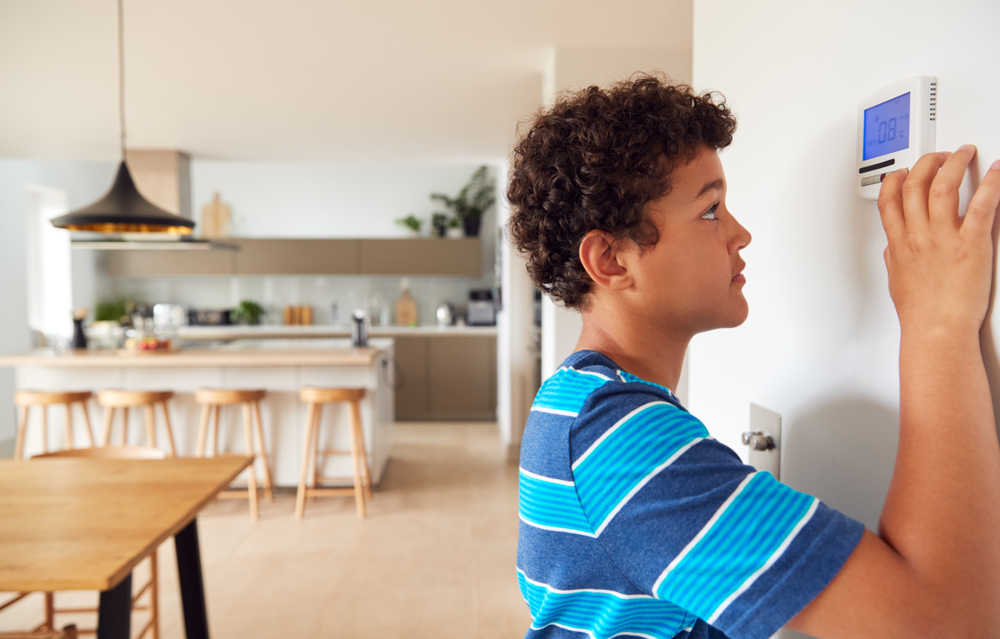
Ask a heating engineer whether the controls suit the system and household. Timers, thermostats and radiator controls can help tenants manage warmth. Clear instructions matter as much as extra features.
A smart meter records energy use and can help tenants understand it. It does not control the heating. If you fit smart heating controls, explain how to change settings and use them without relying on your account or phone.
Sustainable energy for landlords: your options
Renewable energy for landlords can mean using sunlight to make power or drawing heat from the air. Before choosing a system, ask how it would work in your property.
Option
Purpose and property checks
Solar panels
Solar photovoltaic (PV) panels turn sunlight into electricity. Before installing solar panels, check the roof’s condition, size, direction and shade. Ask how much of the power tenants could use during the day. Also agree who would receive any export payments.
Air source heat pumps
These use electricity to move heat from the outside air into the home. Ask an installer to assess heat loss, radiator sizes, outdoor space and the hot-water system. Some homes need larger radiators or space for a hot-water cylinder.
A solar system may reduce electricity bills when tenants use the power it generates. A battery can store some surplus for later, but adds cost. For heat pumps, compare expected running costs with the existing heating system, using realistic tariffs and usage.
WORTH KNOWING
For either option, check permissions, installation needs and maintenance costs. There is no standard saving or payback period that applies to every rental home.
Cut water use and unnecessary waste
Start with dripping taps, leaking toilets and other plumbing faults. A leak can waste water for weeks before anyone spots it, so make reporting simple. Reducing wasted hot water can also reduce the energy needed to heat it.
When replacing fittings, consider suitable low-flow taps, showerheads and dual-flush toilets. Ask a plumber to check that new fittings work with the existing shower and plumbing. They should still provide a reliable flow and a comfortable shower. Lower water use reduces water bills where charges depend on metered use.
For floors and furniture, choose items that last and are easy to clean or repair. A spare part or washable cover can extend useful life. Check claims such as “eco-friendly” against the product details. Keep evidence for any green claims you make in your advert.
Provide space for recycling bins and explain the local collection arrangements. When removing items, check suitable reuse, recycling and disposal options. Where space allows, an outdoor drying area can also help tenants use a tumble dryer less.
Build a practical improvement plan
REPAIR
Address the problems that exist now
First, deal with leaks, faulty controls, damaged seals and outstanding repairs. Identify the cause before choosing a product. A new heating system will not resolve every cold-room problem, and advice should reflect the condition of the whole home.
REPLACE
Plan around items reaching replacement age
Next, review appliances, lighting, flooring and furnishings as they wear out. Include repairs, labour and disposal in your buy-to-let running-cost budget. Compare written quotes for the same work, with VAT and any repairs to finishes clearly included.
UPGRADE
Prepare larger projects in the right order
Before fitting insulation, solar panels or a new heating system, ask an expert to assess the home. Then agree which jobs should come first. For example, new insulation may change how much heat the system needs to supply.
Arrange access with tenants, explain disruption and agree how to report problems. Keep warranties, invoices and instructions. Make clear who pays the energy bills and who receives any generation income.
Set a date to check the results. Ask tenants whether rooms feel warmer, controls are clear, and leaks have stopped. Energy bills alone do not show the full effect, as weather, tariffs and household routines can change.
How Muttuo Mortgages can help
Larger improvements may form part of a mortgage review. Muttuo can help you compare buy-to-let remortgage options alongside the work you plan. We will look at borrowing costs, repayments and the property’s finances.
Review your property and mortgage plans
Compare interest, fees and repayments
Plan for the full cost of the work



Plan your next mortgage review
Discuss your improvement budget and mortgage plans with an adviser.

Your property may be repossessed if you do not keep up with your mortgage repayments.
The Financial Conduct Authority does not regulate some buy-to-let mortgages.
Common questions about sustainable rental homes
Does a sustainable rental property need solar panels?
No. Repairs, suitable insulation, efficient lighting and water-saving measures can all play a part. Choose work that addresses the property’s needs. Installing equipment is only one way to reduce waste and energy use.
Will every sustainable improvement raise the EPC rating?
No. Recycling bins, long-lasting furniture and water-saving fittings can help without changing the score. Ask an energy assessor which works could improve the EPC. A broader plan should also consider waste and water use.
Who benefits from lower energy bills?
Usually, whoever pays them. Where tenants pay the supplier, lower consumption can reduce their bills. Landlords and tenants should also understand the arrangements for solar power and export income. Neither lower bills nor new equipment guarantees higher rent or stronger tenant demand.
Can sustainability improvements secure a better mortgage?
They do not guarantee approval or a cheaper deal. Lenders assess the borrower, property and rental income against their criteria. Compare the total cost of any mortgage, including interest and fees, rather than relying on a green label.