




















Draught proofing means closing unwanted gaps that let cold air in and warm air out. In a rental home, the right work can make rooms feel warmer and reduce heat loss. However, the home still needs fresh air to help keep it dry and safe.
This guide explains how to draught-proof a house, plan repairs and work with tenants. Start by finding the cause of each draught.
Finding draughts around your rental property
Ask tenants which rooms feel cold and when they notice it most. Check on a breezy day, when draughts are often easier to feel. Look for worn seals, loose fittings and gaps around frames.
During an agreed visit, check:
- Window frames and opening sections.
- External door edges, thresholds and letterboxes.
- Gaps between floorboards and skirting.
- The edges of the loft hatch.
- Gaps around pipes and unused fireplaces.
Record the room, the gap and any damage. You can include these checks in your rental property inspections. Before planning work, make sure the opening is not a vent that the building needs.
A cold room does not always mean there is a draught. If you cannot find moving air, the cause may be poor insulation or a heating fault. Get that checked rather than adding seals at random.
Choosing suitable draught-proofing improvements
Match the fix to the fault. A new seal will not solve a rotten frame or a door that no longer fits.
Improving seals around your windows
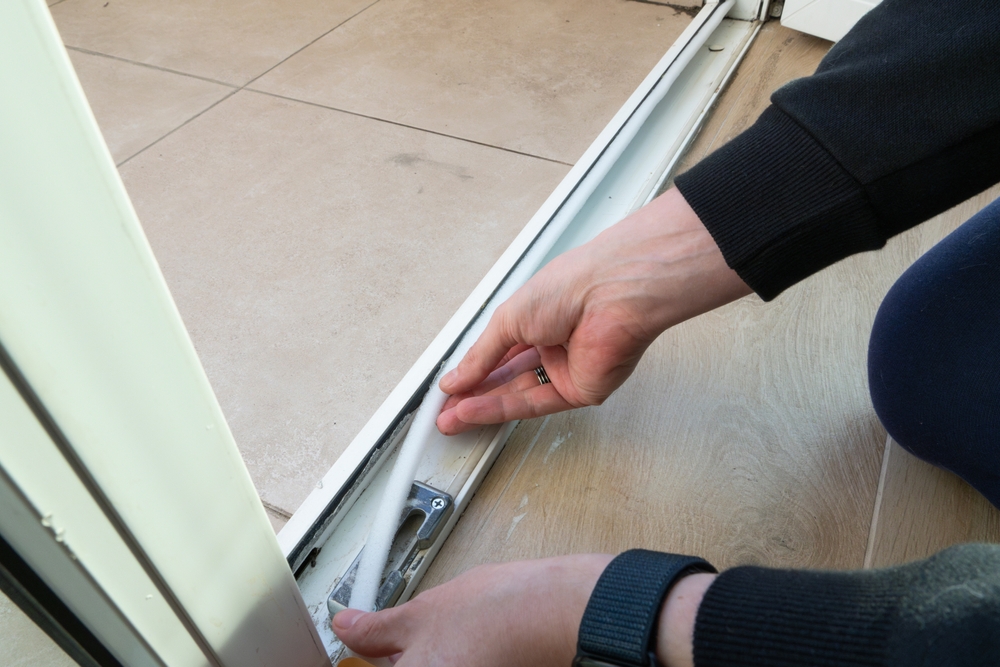
Check how each window opens and closes. Foam strips may suit some opening windows, while sliding sash windows often need brush seals. Choose the right size: a thick strip can stop the window closing, while a thin one leaves a gap.
Before you buy strips, note the type of frame and measure the gap. Check the product instructions and clean the surface as advised. For a small repair, the right fit matters more than the lowest price.
Check for repairs before you fit new seals, especially on older frames. Ask a specialist to assess damaged wood, loose glass or windows that stick.
Reducing draughts around external doors
Check the edges, bottom gap and letterbox. Suitable strips, brushes or a letterbox cover may help. Once fitted, the door must still close, latch and lock with ease.
Take extra care with fire doors. Ordinary draught strips are not a substitute for fire or smoke seals. Get advice from a competent fire-door specialist before changing the door or its fittings. For a flat’s entrance door, also agree changes with the person responsible for the building’s fire safety.
Checking floors, hatches and other gaps
Floorboards move, so any gap filler must allow for that movement. Seals around a loft hatch can help too. Ask a tradesperson about gaps around pipes or cables, especially where fire protection may be involved.
An unused chimney still needs some airflow. Seek advice on a suitable excluder and remove it before lighting a fire. Never seal an active flue. Explain how to use the excluder safely to your tenants.
Keeping essential ventilation clear and working
Ventilation is the planned flow of fresh air through a home. It helps remove moisture from cooking, showers and drying clothes. Without enough airflow, sealing gaps may make damp and poor air quality worse.
KEEP AIR FLOWING
Keep trickle vents, air bricks, extractor outlets and vents needed by fires or fuel-burning appliances clear. Leave gaps beneath internal doors that allow air to move between rooms.
If mould or wet patches keep returning, find the cause before adding more seals. Check for leaks, faults with fans or other causes of moisture. Ask a surveyor or damp specialist to investigate if you cannot find the cause.
Understanding draught-proofing costs and savings
The cost of draught proofing depends on the number of gaps, the materials and any repairs needed first. Compare written quotes for the same work. Check that they include labour, VAT and any repairs to finishes after fitting.
Simple DIY jobs may cost less than a full professional visit. Even so, allow for time, tools and the risk of redoing a poor fit. Ask whether each quote includes repairs to frames or just new seals.
A small job may only need a few strips or a new letterbox cover. A full house with worn frames will need more work. Use the quote for your property to set the budget. Savings will vary with the gaps you fix, the heating system, how people use it and energy prices.
Where tenants pay the heating bills, they receive the direct savings. Plan small jobs within your budget for running a buy-to-let, with extra funds for repairs.
Planning the work with your tenants
ASSESS
Agree what needs fixing and why
First, log each report and decide which repairs need prompt action. Explain the proposed work and who will carry it out. Do not leave a broken window or faulty door waiting for a wider upgrade.
ARRANGE
Set a time for the work
Then, agree access with tenants and give the notice the tenancy and local rules require. Explain which rooms the contractor needs to enter, how long work should take and any mess or noise to expect.
CHECK
Make sure the work has helped
Finally, check that doors and windows still work and vents remain clear. Keep the invoice and product details. Share any care advice with tenants, including how to use vents. Ask them to report returning draughts or signs of damp, and follow up any faults.
How Muttuo can help
If the work forms part of a larger refit, Muttuo can review your buy-to-let remortgage options. We can help you weigh the cost of borrowing against your plans and budget.
Review your current mortgage deal
Compare interest, fees and repayments
Allow for the full cost of borrowing



Plan your next mortgage review
Speak to an adviser about funding larger property improvements.

Your property may be repossessed if you do not keep up with your mortgage repayments.
The Financial Conduct Authority does not regulate some buy-to-let mortgages.
Common questions about draught proofing
Can tenants draught proof a rented home?
Tenants should report defects and agree changes with the landlord before fitting seals or altering the property. A tenant’s small DIY fix should not hide a repair that needs attention.
Will draught proofing improve an EPC rating?
The effect depends on the property and the assessment. Ask an energy assessor which work could help. Draught proofing alone does not guarantee a rating. The EPC 2030 plans set the wider context for landlords in England and Wales.
Do draughty sash windows need replacing?
Not always. Repairs and suitable brush seals may reduce draughts while keeping the original windows. Ask a specialist to assess their condition. For listed homes, check whether the work needs consent.
How often should draught-proofing seals be checked?
Check seals during routine maintenance and when tenants report new draughts. Look for strips that have come loose, split or worn flat. Follow the product’s care advice and replace failed seals with a suitable type.