


















Property chain: how other buyers and sellers can affect your move
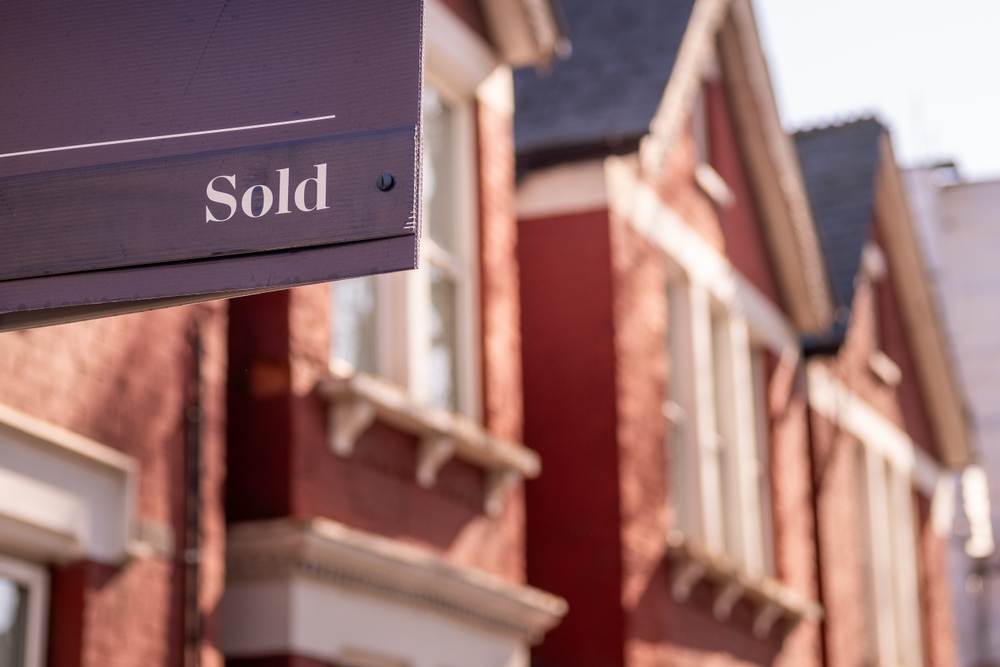
A property chain links multiple buyers and sellers together, which means one delay can affect the timing of exchange and completion for everyone involved.
Property searches: what your solicitor checks before exchange

Property searches help uncover legal, environmental, and local authority details that may affect the home before you exchange contracts.
Solicitor vs conveyancer: who handles the legal work?

Solicitors and conveyancers can both handle the legal work when you buy a home, but their training, scope, and support can differ.
Conveyancing: the legal work behind buying a home

Conveyancing covers the legal work behind your property purchase, from checks and searches to contracts, exchange, and completion.
Legally binding: what it means when buying a home

A property purchase usually becomes legally binding at exchange of contracts, when both buyer and seller commit to completing the sale.
Completion: when the property becomes yours

Completion is the final stage of buying a home, when funds are transferred, ownership changes hands, and you can collect the keys.
Exchange of contracts: when your purchase becomes legally binding

Exchange of contracts is the point where your purchase becomes legally binding, setting the completion date and confirming both sides are committed.
Sold subject to contract: what it really means

Sold subject to contract means an offer has been accepted, but the sale is not legally binding until contracts are exchanged.
Property survey: what it checks before you buy
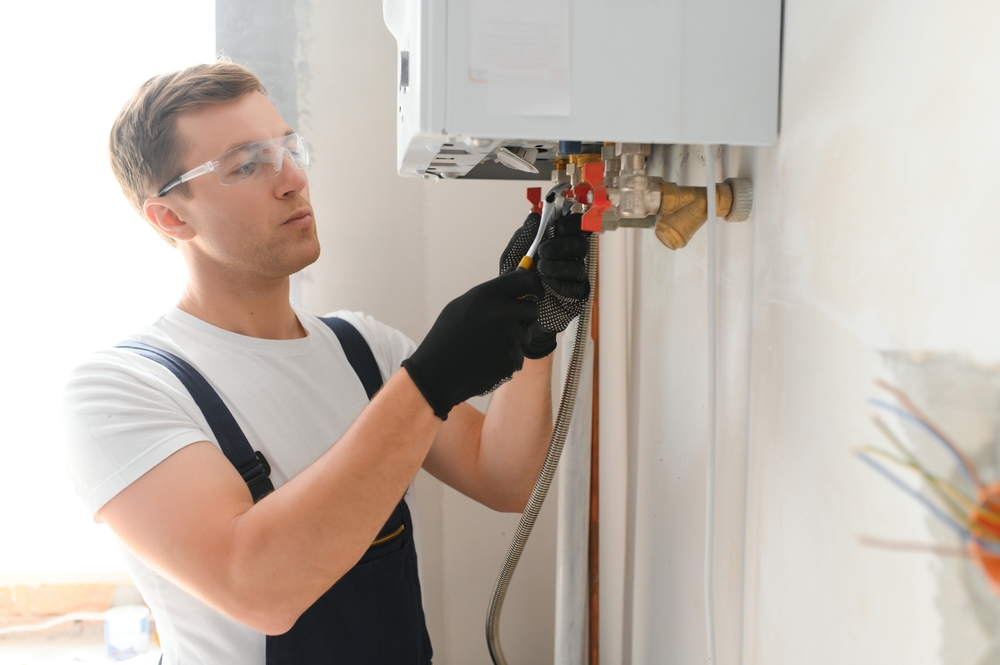
A property survey can help you spot potential issues before you buy, giving you a clearer view of the home’s condition beyond the mortgage valuation.
Mortgage valuation: why lenders check the property

A clear guide to mortgage valuations, including what they are for, how they differ from surveys, and what can happen if the valuation causes issues.