



















Mortgage fees and moving costs explained

Mortgage fees can affect the true cost of a deal, especially if they are added to the loan or weighed against a lower interest rate.
Monthly mortgage repayments: what affects how much you pay

Monthly mortgage repayments depend on how much you borrow, your interest rate, mortgage term, repayment type, and any fees added to the loan.
Standard variable rate: what happens when your mortgage deal ends

A standard variable rate usually applies after your initial deal ends, and it can change over time, which may increase or reduce your monthly payments.
Tracker rate mortgage: when your payments follow another rate

A tracker rate mortgage follows another interest rate, usually the Bank of England base rate, so your monthly payments can rise or fall during the deal.
Variable rate mortgage: when your payments can change

A variable rate mortgage can move up or down over time, which means your monthly payments may change depending on the type of deal and wider rate movements.
Fixed rate mortgage: how payment certainty works

A fixed rate mortgage keeps your interest rate and monthly payments the same for a set period, which can make budgeting feel more predictable.
Interest rate: how it affects your mortgage payments

Your mortgage interest rate affects your monthly payments, the total interest you pay, and how your mortgage compares against other available deals.
Mortgage term: how the length of your mortgage affects repayments

Your mortgage term affects how long you repay the loan, how manageable the monthly payments feel, and how much interest you may pay overall.
What is a loan-to-value (LTV) ratio?
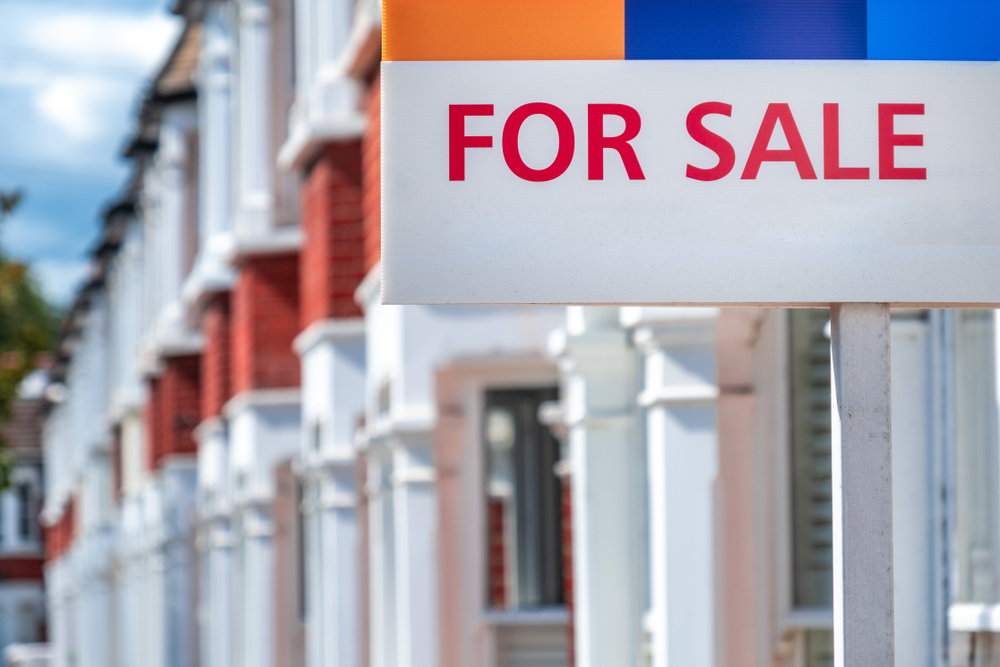
Loan-to-value (LTV) shows how much of a property’s value you are borrowing. Learn how to calculate it and how it can affect your mortgage options and rates.
How much deposit do you need for a mortgage?

Your deposit can shape how much you borrow, your loan-to-value and the mortgage options available. See what to check before deciding how much to put down.