




















Green home improvements can reduce wasted energy, improve comfort and, in some cases, support a better EPC rating. The right upgrades will depend on your property, what it already does well and where it loses energy.
Before you spend money, check the condition of your home, the likely benefit of each improvement and how you plan to fund the work.
Before making green home improvements
EPC
Start with your EPC
Your EPC shows your current energy-efficiency rating and recommends measures that may improve it.
HEAT LOSS
Improve the fabric first
Insulation and draught-proofing can reduce heat loss and may make later heating upgrades work more effectively.
VALUE
Compare cost with benefit
Look at the upfront cost alongside likely energy savings, comfort and how long you expect to stay in the property.
FUNDING
Plan how you will pay
Compare savings, grants and borrowing options before deciding how to fund the work.
Green home improvements to consider
The right improvements depend on the age, condition and layout of your property. Some homes need basic heat-loss measures first, while others may be ready for larger technology upgrades.
Insulation and draught-proofing
Loft, wall or floor insulation and suitable draught-proofing can reduce unwanted heat loss. For many homes, these are sensible measures to assess before larger upgrades.
Heating and controls
Better controls or a more efficient heating system may help you use energy more effectively, particularly if your current setup is old or difficult to manage.
Windows and glazing
Improved glazing and well-fitted doors can reduce heat loss, although the benefit will depend on what is already installed and the condition of the property.
Solar panels
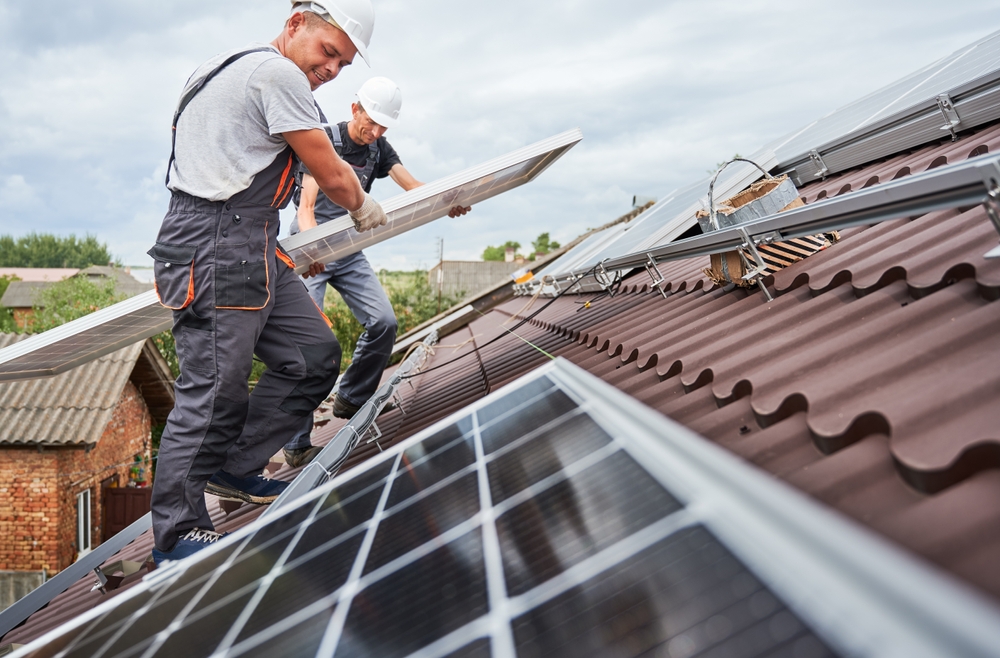
Solar panels can generate electricity where the roof, orientation and household energy use make them suitable.
Low-carbon heating
Heat pumps and other low-carbon heating options may suit some properties. How well the system performs will depend on the property’s heat loss, system design and installation.
Which green improvements should you do first?
A sensible order is to understand where your home loses energy before investing in larger upgrades.
01 · ASSESS
Check the property
Review your EPC, insulation, heating system and obvious areas of heat loss before choosing the work.
02 · FABRIC
Improve heat retention
Deal with suitable insulation, draughts and ventilation before moving to more complex technology.
03 · HEATING
Improve heating efficiency
Review your heating controls and whether the existing system still suits the property once you have dealt with the main heat-loss issues.
04 · LARGER UPGRADES
Consider bigger upgrades
Once the basics work well, solar panels or low-carbon heating may make more sense for the property.
How to fund green home improvements
There is no single best way to pay for the work. The right route depends on the cost of the work, the savings you have available and whether additional borrowing fits your wider finances.
Funding route
When it may suit
Savings
Smaller projects or avoiding additional borrowing
Grant support
Eligible work where a current scheme is available
Further advance
Borrowing more from your current mortgage lender
Remortgage
Raising funds while changing your mortgage deal
Personal loan
Some smaller projects with fixed repayments
Grant schemes and eligibility can change, so check current government, local authority or energy-supplier guidance before relying on support. Muttuo does not arrange grant funding.
If you borrow, compare the total cost as well as the monthly payment. A remortgage may let you raise funds while changing your mortgage, while a further advance keeps the borrowing with your current lender. If you are considering using property value to fund the work, our guide to using home equity wisely explains the wider trade-offs.
Could your home qualify for a green mortgage?
See how energy-efficiency criteria and mortgage incentives can vary by lender.
Are green home improvements worth the cost?
That depends on what you want the work to achieve. An improvement may reduce energy use, improve comfort or support a stronger EPC rating, but the benefit will vary by property.
Compare the upfront cost with likely savings, maintenance and how long you expect to own the home. If you borrow to pay for the work, include the interest and fees in that comparison too.
Avoid assuming every improvement will increase the property’s value by what you spend. Location, condition and buyer demand can all affect the result.
WORTH KNOWING
Lower energy use does not automatically mean an improvement will pay for itself. Compare the likely benefit with the full cost, especially if you need to borrow.
How Muttuo Mortgages can help
If you need to borrow for home improvements, we can help you compare mortgage options and explain how the extra borrowing may affect your monthly payments and overall mortgage cost.
Review whether you could borrow more on your current mortgage
Compare mortgage options from more than 100 lenders
Explore remortgage, further advance and green mortgage options



Talk through your options
Explore ways to fund home improvements and understand which mortgage options may suit your property and plans.

Your home may be repossessed if you do not keep up repayments on your mortgage.
Your green home improvements questions answered
What are green home improvements?
They are changes designed to improve a property’s energy efficiency, such as insulation, heating controls, solar panels, draught-proofing and better glazing.
What are the best green home improvements?
The best choice depends on the property. In many homes, identifying and reducing heat loss before adding larger technology is a sensible starting point.
How can I improve my EPC rating?
Start with the recommendations on your current EPC. Depending on the property, insulation, heating controls, more efficient heating, solar panels, lighting or glazing may improve the rating.
Are grants available for green home improvements?
Support may be available for some households and measures, but schemes and eligibility can change. Check current government, local authority or energy-supplier guidance before relying on grant funding.
Can I remortgage for home improvements?
You may be able to raise extra funds when remortgaging, subject to affordability, equity and lender criteria. Compare any fees, early repayment charges and the total cost of the new borrowing.
Can green home improvements help me qualify for a green mortgage?
Possibly. Some green mortgage products use EPC or other energy-efficiency criteria, but lender rules vary and making improvements does not guarantee eligibility.