
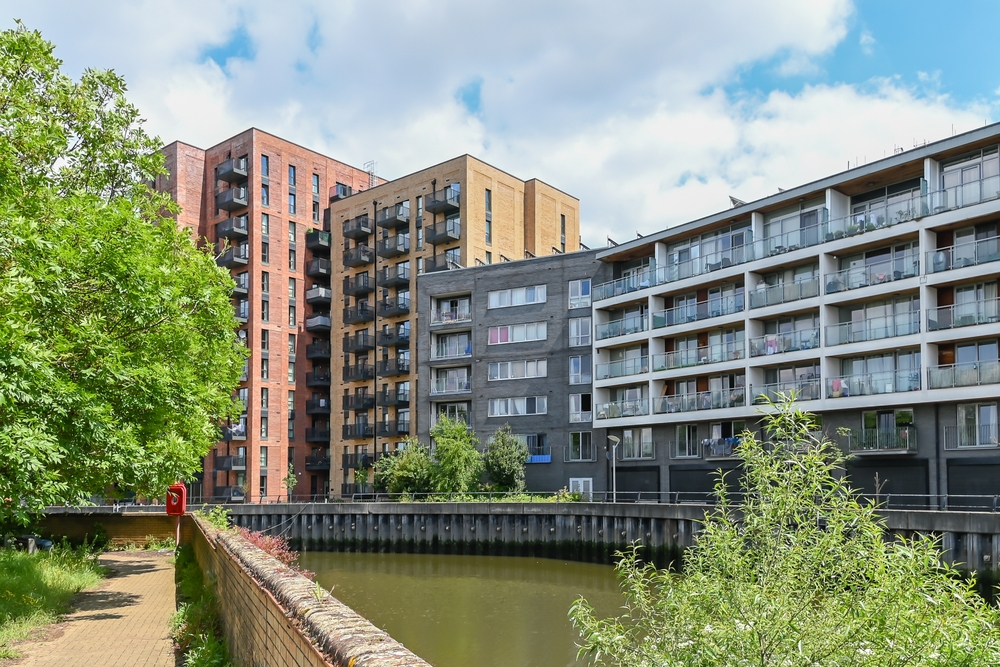
The government has introduced its Commonhold and Leasehold Reform Bill to Parliament, proposing some of the most significant changes to property ownership in England and Wales for a generation.
The proposals include capping ground rents on existing residential leases, making commonhold the standard ownership structure for most new flats and giving existing leaseholders greater control over their properties.
For anyone buying, owning or remortgaging a leasehold property, the reforms could have important financial implications.
However, the proposed changes are not yet law, and existing lease terms and mortgage lending requirements continue to apply.
What changes are being proposed?
1. Ground rents capped at £250 per year
One of the most significant proposals is a cap on ground rents for most existing residential leases.
Under the Bill:
- Annual ground rent would be capped at £250.
- Ground rent would eventually reduce to a peppercorn (effectively zero) after 40 years.
- The government aims to introduce the cap approximately six months after the legislation receives Royal Assent, with 2028 currently anticipated.
The £250 figure represents a maximum, not a standard charge that all leaseholders would pay.
Many qualifying new residential leases have already been subject to peppercorn ground rents since 2022. The proposed reform is particularly relevant to existing leases containing higher or escalating ground rents.
Importantly, the 2028 timetable remains an expectation rather than a confirmed implementation date.
2. Commonhold to replace leasehold for most new flats
The government also intends to make commonhold the default ownership structure for most newly built flats.
Under traditional leasehold ownership, someone owns the right to occupy a property for a specified period, while a separate freeholder owns the land or building.
Commonhold operates differently.
Flat owners own their individual properties outright and collectively manage the shared parts of the building through a commonhold association.
This removes the need for a third-party freeholder and eliminates expiring residential leases within the commonhold structure.
The transition will not happen immediately. The government currently expects the modernised commonhold system to become operational around 2029, with restrictions on most new leasehold flats potentially following around 2031.
These are indicative dates and remain subject to legislation and implementation arrangements.
3. Easier conversion for existing leaseholders
Existing leaseholders could also find it easier to convert their buildings to commonhold.
Currently, conversion generally requires unanimous agreement.
The proposed legislation would allow conversion where at least 50% of qualifying leaseholders support the process, subject to the relevant legal and procedural requirements.
This could give more flat owners an opportunity to take greater control over the management and upkeep of their buildings.
4. Changes to lease extensions, charges and homeowner protections
The Bill also seeks to address outstanding issues with the Leasehold and Freehold Reform Act 2024, helping to deliver reforms intended to make lease extensions and freehold purchases easier and potentially less expensive.
Other proposals include:
- Powers to cap certain administration and permission fees.
- Replacing the existing leasehold forfeiture system with a more proportionate enforcement process.
- Stronger protections relating to building management and major repair costs.
These changes would be introduced at different stages, and some will require further regulations.
What does this mean for leasehold mortgages?
Although the reforms could improve conditions for leaseholders over time, they do not remove the need to assess a property’s existing lease arrangements.
Mortgage lenders consider several factors when deciding whether a leasehold property is suitable security for a loan.
These can include:
- Remaining lease length: A shorter lease may restrict the mortgage products available or require a lease extension.
- Ground rent: The current amount, review frequency and potential increases can influence lender acceptance.
- Service charges: Ongoing costs and anticipated major works may affect affordability and the overall cost of ownership.
- Property and building requirements: Lenders may also consider building safety, insurance, management arrangements and other property-specific factors.
These considerations remain relevant whether someone is buying their first flat, moving home or remortgaging an existing property.
A lease that presents difficulties for mortgage lending today will not automatically become acceptable because future legislative changes have been proposed.
Lender requirements and the property’s current legal position must still be considered.
Why this matters for flat owners
For buyers and homeowners in areas with up and coming and existing purpose-built apartment developments that form a significant part of the residential market, leasehold arrangements can be particularly relevant.
Two flats with similar purchase prices may carry very different ongoing financial commitments depending on their ground rents, service charges, lease lengths and building management arrangements.
For prospective buyers, understanding these costs before committing to a purchase is essential.
For existing homeowners approaching the end of a fixed-rate mortgage, reviewing the lease and exploring remortgage options early may help identify potential issues before they affect an application.
The proposed reforms are encouraging for many leaseholders, but they should not be treated as a reason to delay necessary financial or legal decisions in anticipation of future changes.
What happens next?
The Commonhold and Leasehold Reform Bill was introduced to Parliament on 19th November 2026.
It must now progress through the parliamentary process before receiving Royal Assent. Individual reforms may then require further regulations and implementation periods before taking effect.
Until the relevant provisions are brought into force, existing legal requirements continue to apply.
At Muttuo Mortgages, we will continue monitoring developments and explaining what they mean for homeowners, prospective buyers and those considering remortgaging.
Considering buying or remortgaging a leasehold property?
Understanding the terms of a lease can be an important part of securing the right mortgage.
Whether you’re purchasing a leasehold flat, approaching the end of an existing mortgage deal or concerned about your property’s lease arrangements, Muttuo Mortgages can help you explore your mortgage options through its mortgage advice service.
A qualified solicitor or conveyancer should advise on the legal terms of your lease and how proposed or existing legislation may affect your property.
Speak to Muttuo Mortgages about your mortgage options.
Sources and further reading
- UK Government: Historic move to dismantle leasehold and transform homeownership, 19 November 2026
- UK Government: Guide to the Commonhold and Leasehold Reform Bill
- UK Parliament: Commonhold and Leasehold Reform Bill, parliamentary progress
- UK Finance: Mortgage lenders’ leasehold requirements
Information correct as at 20th November 2026. This article provides general information and does not constitute individual mortgage or legal advice.
Proposed legislation and implementation timetables are subject to change. Mortgage availability depends on individual circumstances, property eligibility and lender criteria.