




















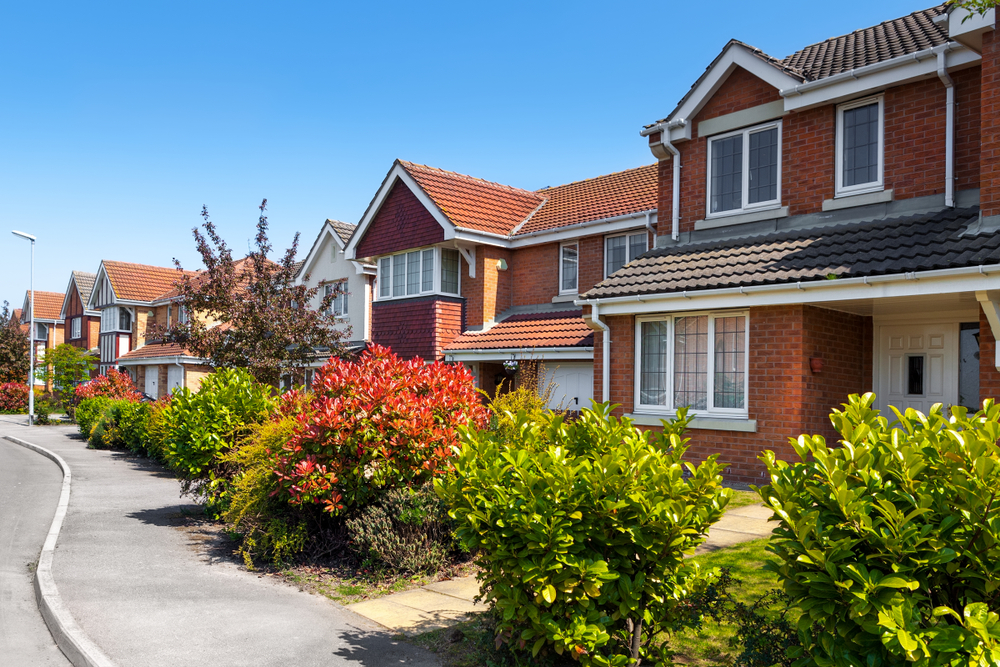
Buying a buy-to-let property costs more than the deposit and mortgage payment. You also need to allow for purchase taxes, legal work, mortgage fees, insurance, repairs, management, tax and periods without tenants.
So the key question is not simply whether the rent covers the mortgage. You need to know whether the property still works once you include the full cost of buying, financing and running it.
First, build a budget that covers the upfront cash you need and the ongoing costs you may face as a landlord.
Before buying a buy-to-let
UPFRONT CASH
Budget for more than the deposit
Purchase tax, legal work, mortgage fees, surveys and property preparation can all increase the cash you need before letting begins.
RENT
Make sure the rent stacks up
Expected rent needs to support the mortgage while leaving room for running costs, maintenance and periods without tenants.
RUNNING COSTS
Allow for ongoing landlord costs
Insurance, repairs, management, service charges, compliance costs and empty periods can all reduce the rental income you keep.
TAX
Consider tax before you buy
Tax can affect the cost of buying, the profit you keep while renting and the amount you retain when you sell.
See what the numbers could look like
Explore borrowing, rental income and potential yield.
Upfront buy-to-let costs
The deposit is usually the largest upfront amount, but it is not the only cash you need. Before you buy, allow for the taxes, fees and property costs that come with completing the purchase and preparing the home for tenants.
Cost
What to allow for
Deposit
Usually the largest single upfront amount
Purchase tax
Depends on price, location, ownership and your circumstances
Legal work
Conveyancing, searches and related legal costs
Mortgage fees
Product, arrangement, valuation or advice fees where applicable
Survey
A separate survey can help identify defects or future repair costs
Property preparation
Repairs, furniture, appliances and anything needed before letting
Because the final amount depends on the property and work required, keep some cash in reserve rather than using every available pound for the deposit.
How much deposit do you need for a buy-to-let?
Buy-to-let mortgages often require a larger deposit than standard residential mortgages. The amount depends on the lender, property, expected rent and mortgage product.
A larger deposit can improve your loan-to-value and widen your mortgage options, but it also leaves less cash for purchase tax, repairs and unexpected costs. Treat the deposit as one part of the overall purchase budget.
Buy-to-let stamp duty and purchase taxes
Purchase tax can be one of the largest costs after the deposit. In England and Northern Ireland, higher Stamp Duty Land Tax rates usually apply when the purchase leaves you owning more than one residential property.
Scotland uses Land and Buildings Transaction Tax and the Additional Dwelling Supplement, while Wales uses Land Transaction Tax. The amount therefore depends on where you buy and your circumstances.
Factor stamp duty into your budget
Estimate the tax that may apply to your buy-to-let purchase.
Buy-to-let mortgage costs
Next, look beyond the headline mortgage rate. The rate, fees, repayment method and early repayment charges can all affect what the borrowing costs you.
INTEREST RATE
Understand the monthly payment
Your interest rate and loan size determine the monthly mortgage cost. A lower rate can reduce that payment, but it does not tell you the total cost of the deal.
PRODUCT FEES
Look beyond the headline rate
Buy-to-let product fees can be fixed or calculated as a percentage of the loan. That means a lower-rate mortgage is not always cheaper once you include the fee.
REPAYMENT METHOD
Plan how you will repay the capital
Many buy-to-let mortgages use interest-only payments. You pay the interest each month while the original mortgage balance remains outstanding, so you need a credible plan for repaying the capital later.
EARLY REPAYMENT CHARGES
Check the cost of changing the deal
Your lender may charge you if you repay, remortgage or switch before an agreed period ends. Check the charge before comparing the cost of moving to another deal.
Buy-to-let worked example
Suppose you buy a £220,000 rental property with a £55,000 deposit and a £165,000 interest-only mortgage at an illustrative rate of 5.5%.
Example detail
Illustrative amount
Property price
£220,000
Deposit
£55,000
Loan-to-value
75%
Mortgage amount
£165,000
Illustrative rate
5.5%
Approx. monthly interest
£756
Stamp duty*
£12,900
Deposit + SDLT shown
£67,900
Legal, mortgage, survey and preparation costs
Allow separately
*This assumes the purchase is an additional residential property in England or Northern Ireland and uses the higher SDLT rates that apply from 1 April 2025. The £67,900 figure covers the deposit and SDLT shown only.
The £756 monthly mortgage interest is only the starting point. You still need to allow for insurance, management, maintenance, service charges, tax and periods without rent.
WORTH KNOWING
The mortgage payment is only one part of the cost. Judge the investment on the full cash required to buy and run the property, not the headline mortgage payment alone.
Illustration only. Actual mortgage payments, fees, tax and other costs depend on the property, lender, mortgage deal and your circumstances.
Ongoing landlord costs
Once the property is let, the costs continue. Some arrive every month or year, while others appear unexpectedly.
Insurance
Landlord insurance can cover risks linked to renting out the property. The cost will depend on the property, tenancy and level of cover.
Repairs and maintenance
Budget for routine maintenance as well as larger repairs that may arrive without warning. A separate cash reserve can help absorb irregular costs.
Letting and management
Letting agent and property-management fees reduce the rental income you keep, so include them when you compare expected returns.
Safety and compliance
Safety checks, certificates and other legal requirements can create regular and one-off costs during the tenancy.
Empty periods
Rent can stop between tenants while the mortgage, insurance, service charges and other property costs continue.
Tax costs for landlords
Once you own the property, tax can affect the rental profit you keep and the amount you retain when you eventually sell.
Tax on rental profit
If you own the property personally, you generally pay Income Tax on your rental profit after allowable expenses. Costs such as letting-agent fees, insurance, maintenance and repairs may qualify as allowable expenses.
For individual residential landlords, Section 24 means mortgage interest and other qualifying residential finance costs are generally dealt with through a basic-rate tax reduction rather than deducted in full from rental income. Companies follow different tax rules.
Tax when you sell
Capital Gains Tax may apply if you sell a rental property for more than its allowable cost.
Tax rules and allowances can change, and ownership structure can make a significant difference. Speak to a qualified tax adviser or accountant before making decisions based on tax treatment.
How costs affect your rental return
Gross rental yield can help you compare rent with the purchase price, but it does not show how much you actually keep.
Compare the expected rent with your mortgage and realistic running costs, then allow a buffer for repairs and periods without tenants. This gives you a better view of whether the property can generate reliable rental income once the costs are included.
If you want to test different property prices, rents and mortgage amounts, use our buy-to-let calculator.
How Muttuo Mortgages can help
Buy-to-let costs depend on more than the headline mortgage rate. We can help you compare borrowing options and understand how the expected rent, deposit, loan-to-value and lender criteria affect what may be available.
Review your expected rent, deposit and loan-to-value
Compare buy-to-let options from more than 100 lenders
Explore personal and limited-company mortgage routes



Talk through your options
Explore buy-to-let mortgage options and understand how lenders may assess the property, expected rent and your wider circumstances.

Your property may be repossessed if you do not keep up with your mortgage repayments.
The Financial Conduct Authority does not regulate some buy-to-let mortgages.
Your buy-to-let costs questions answered
What costs are involved in buy-to-let?
The main upfront costs include the deposit, purchase tax, legal work, mortgage fees, a survey and any repairs needed before letting. Once the property is rented, you should also allow for mortgage payments, insurance, maintenance, management, compliance costs, tax and empty periods.
How much deposit do you need for a buy-to-let mortgage?
The amount depends on the lender, property, expected rent and your circumstances. A larger deposit reduces the mortgage and may improve loan-to-value, but you still need enough cash for the other purchase and running costs.
Do you pay extra stamp duty on a buy-to-let property?
In England and Northern Ireland, higher SDLT rates usually apply if the purchase means you will own more than one residential property. Scotland and Wales use different property tax systems, so the amount depends on where you buy and your circumstances.
Are buy-to-let mortgage fees higher?
Buy-to-let product fees can be significant. Some lenders charge a fixed fee, while others calculate the fee as a percentage of the mortgage. Compare the rate and fee together rather than choosing a deal on rate alone.
What ongoing costs do landlords need to budget for?
Ongoing costs can include mortgage payments, insurance, repairs, management fees, service charges, safety and compliance costs, accounting costs, tax and periods without tenants. Keeping a separate cash buffer can help with irregular expenses.