












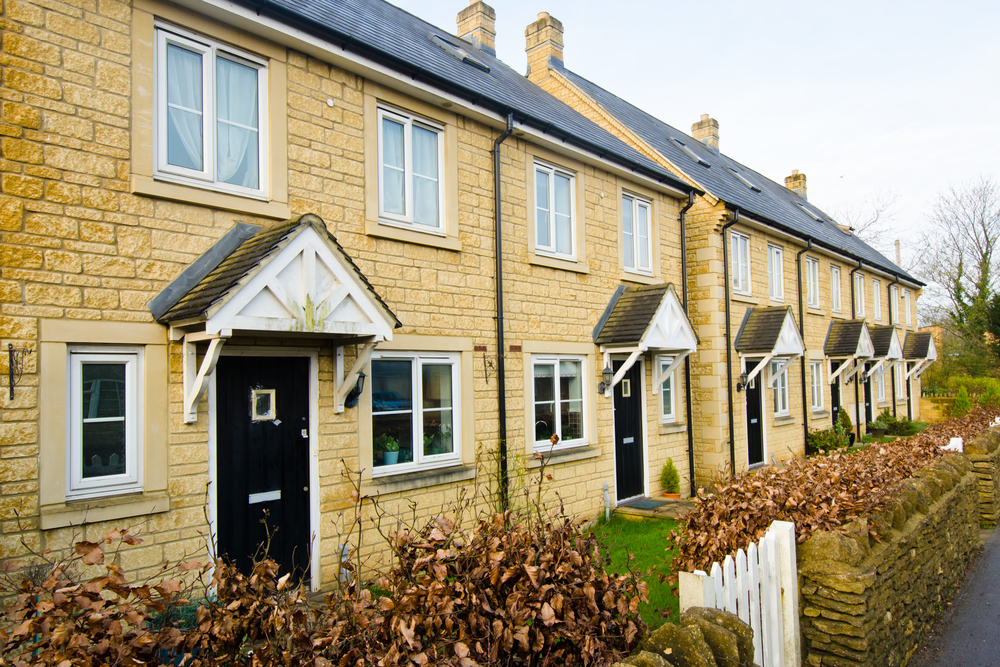
New-build mortgages

New-build mortgages can involve different checks around the property, warranty, deposit, incentives and completion date. See what to check before reserving or applying.
Team Muttuo
new build mortgage

Jump to what matters

New-build homes can appeal if you want a modern property, a chain-free purchase and the chance to move into a home that has not been lived in before.

However, the mortgage process can work slightly differently from buying an older home. Lenders may look at the property type, build stage, warranty, valuation, deposit size and any developer incentives included with the purchase.

This guide explains the main checks to make before reserving or applying, so you can understand how a new-build mortgage may work in practice.


Check the mortgage offer length

New-build completion dates can move, so your mortgage offer needs to last long enough or be extendable.

Tell the lender about incentives

Cashback, upgrades, deposit contributions or legal fee support usually need to be declared before the mortgage is agreed.

Flats can have different deposit rules

Some lenders ask for a larger deposit on new-build flats than new-build houses.

Keep exchange deadlines in mind

Developers often set short exchange timescales, so it helps to get your documents and mortgage checks ready early.


Buying new-build? Check your options

What counts as a new-build mortgage?

A new-build mortgage is used to buy a home that has been newly built, is still under construction or has not yet been lived in.

This could include a new-build house, a new-build flat, an off-plan home or a property bought directly from a developer.

Some lenders may also treat a property as a new-build for a set period after completion, even if it has been briefly occupied. The exact approach can depend on the property, warranty and build stage.

How new-build mortgages work

A new-build mortgage usually works like a standard residential mortgage, but the process often starts before the property is ready to move into.

You may reserve a plot, agree a purchase price and apply for a mortgage using the property details available at that stage.

Timing matters because some developers set exchange deadlines, and mortgage offers only last for a set period. If completion is delayed, you may need a longer mortgage offer, a new-build-friendly lender or an offer extension.

What lenders may check on a new-build mortgage

New-build applications can involve a few extra property checks because the home may be newly completed, still being built or bought with incentives.

Common checks may include:

  • lease terms, service charges or estate charges, if relevant
  • property type and build stage
  • warranty or new-build guarantee
  • valuation and purchase price
  • developer incentives
  • expected completion date

How much deposit do you need for a new-build mortgage?

The deposit you need for a new-build mortgage can depend on the lender, property type, purchase price and your application.

Some buyers may be able to buy a new-build home with a 5% deposit, although options can differ between houses, flats and properties that are still being built.

A simplified new-build mortgage example

Example

Amount


Property price

£350,000


Buyer’s deposit

£17,500


Mortgage required

£332,500


Loan-to-value

95%


Possible developer incentive

£5,000 contribution towards costs

This example shows a buyer putting down a 5% deposit and borrowing the remaining 95% on a new-build home.

Developer incentives may help with upfront costs, but the lender will decide how the incentive affects the valuation, mortgage offer or maximum borrowing.

These examples show how a 5% deposit changes at different property prices. Check your own figures with our loan-to-value calculator

What could the monthly payments look like?

A smaller deposit can reduce the amount you need upfront, but it usually means borrowing more of the property value.

That can affect the monthly payment, especially once the mortgage amount, interest rate and term are taken into account.

Indicative monthly repayment example

Mortgage amount

Term

Interest rate

Approximate repayment


£332,500

35 years

5.25%

£1,731 per month

This example is based on buying a £350,000 new-build home with a 5% deposit of £17,500 and a mortgage of £332,500.

The table above is a simplified example for illustration only. Estimate your own figures with our repayment calculator

Considering a
new-build soon?

Check your borrowing position before you commit.

Support routes for new-build buyers

Some new-build buyers may be able to use savings products, purchase schemes, shared ownership or developer incentives to make the upfront cost feel more manageable.

These routes work in different ways, so it helps to compare how each one affects your deposit, mortgage amount and monthly costs.

Lifetime ISA

A Lifetime ISA can help eligible first-time buyers boost their deposit savings.

  • The government adds a 25% bonus to eligible savings
  • Rules apply around age, property price, timing and withdrawals

Explore Lifetime ISA →

First Homes scheme

The First Homes scheme may help eligible first-time buyers in England buy selected homes at a discount.

  • A lower purchase price may reduce the deposit and mortgage needed
  • Availability, eligibility and resale rules apply

Explore First Homes options →

Shared ownership

Shared ownership can reduce the upfront deposit because you buy a share of the property.

  • The deposit is usually based on the share you buy
  • You also need to budget for rent, service charges and future staircasing costs

Explore shared ownership options →

Developer incentives

Developers may offer incentives to support the purchase, such as legal fee contributions, upgrades, cashback or help with initial costs.

  • Incentives can reduce some upfront costs, but they may affect how a lender assesses the purchase
  • Always check what is included, when it is paid and whether any conditions apply

Check developer incentives →

Buying off-plan and mortgage offer deadlines

Mortgage offer timing is important when buying a new-build home, especially if the property is still under construction.

Most mortgage offers are valid for a set period. If your home is not ready before the offer expires, you may need an extension or a new application.

Some lenders have specific new-build offer periods or extension policies. They may ask for updated payslips, bank statements or confirmation that the build is still progressing.

If the completion date changes, reviewing your mortgage position early can help you avoid last-minute pressure.

Developer incentives and mortgage checks

Developer incentives can make a new-build purchase more appealing by helping with some upfront costs.

Incentives may include:

  • cashback
  • legal fee contributions
  • stamp duty contributions, where applicable
  • deposit contributions
  • upgraded kitchens, flooring or appliances
  • mortgage rate support or builder-linked offers

Lenders usually consider the full purchase price, the value of the incentive and whether it affects the property valuation.

In some cases, an incentive may affect the amount a lender is willing to offer. This does not mean incentives are a problem, but they should be included clearly in the mortgage application.

Reserved a plot?

New-build timelines can move quickly. Muttuo can help you check whether your mortgage options, deposit and offer timing still fit.

Valuations, warranties and snagging checks

New-build lenders will usually look at the property as well as your mortgage application.

This can include the valuation, build stage, warranty provider and whether the property meets the lender’s new-build criteria. If the property is not finished, the valuation may be based on plans, specifications and comparable sales.

A recognised new-build warranty may also be needed, as this gives the lender more confidence that the property has suitable protection after completion.

A snagging survey is separate from the mortgage, but it can still be useful. It helps identify small defects or unfinished work before, or shortly after, you move in.

Double glazing window

Energy efficiency and running costs

Energy efficiency is one reason some buyers consider new-build homes.

Newer homes often have stronger energy performance than older properties, which can help reduce running costs. A property’s EPC rating can show how energy efficient the home is, although bills still depend on the property, heating system, tariff, household size and how the home is used.

Some buyers may also want to explore green mortgage options, where certain lenders offer products linked to energy-efficient homes. Availability, rates and criteria vary, so this should be considered as part of the wider mortgage picture.

How is buying a new-build different?

New-build and existing property purchases both involve affordability checks, a valuation and legal work. The main difference is how the lender looks at the property, incentives and completion timeline.

Area

New-build purchase

Existing property purchase


Timing

Completion may depend on the build stage and developer deadlines

Timing often depends on the chain, survey and legal work


Incentives

Developer incentives may need to be checked by the lender

Purchase incentives are usually less common


Valuation

The lender may use plans, specifications and comparable sales

The valuation is usually based on the existing property


Mortgage offer

Delays may mean you need an offer extension

Completion is often more predictable once the chain is ready

The biggest difference is timing. With a new-build, it helps to know how long your mortgage offer lasts and what happens if completion moves.

Before you reserve a new-build

Reserving a new-build is an exciting step. Before paying a reservation fee, it helps to have a clear view of your mortgage position, likely costs and expected completion timeline.

Key details to review before reserving:

01

Mortgage position

  • whether you have an agreement in principle
  • how much deposit you may need
  • whether your deposit source is clear

02

Property and timing

  • whether the home is complete, off-plan or still being built
  • the expected completion date
  • how long your mortgage offer may need to last

03

Costs and purchase details

  • any service charges, estate charges or lease terms
  • any developer incentives or contributions
  • whether the total monthly cost still fits your budget

Is a new-build purchase right for you?

A new-build home can offer a modern, low-maintenance move, especially if you want a chain-free purchase and more time to plan.

tick

Potential benefits

Less work at the start

A new-build may suit you if you want a modern home with fewer immediate repair or renovation needs.

Support routes may be available

Lifetime ISAs, shared ownership, First Homes or selected developer incentives may help some buyers.

A more efficient home

Newer homes can offer stronger energy performance, which may help with running costs.

cross

Trade-offs to check

The timeline may be tighter

Reservation deadlines, build delays and mortgage offer expiry dates can all affect the purchase.

Lender checks can be different

Lenders may look at the property type, warranty, valuation, incentives and completion date.

Costs can go beyond the mortgage

Service charges, estate fees, deposit size and upfront costs can all affect the overall budget.

How Muttuo Mortgages can help

New-build mortgages can move quickly, especially if you are reserving a plot or buying off-plan.

Muttuo Mortgages can help you:

check your new-build mortgage options before you reserve

compare lenders that may consider your property, deposit and circumstances

review incentives, gifted deposits or support routes before you apply

check whether your mortgage offer timing fits the build schedule

Whether you are buying your first new-build home or moving into a newly built property, getting mortgage advice early can help you move forward with fewer surprises.

Buying a
new-build home?

Muttuo can help you check lender criteria, deposit options, incentives and offer timing before you apply.

Rated Excellent

on Trustpilot

New-build mortgage FAQs

These FAQs answer common questions about new-build mortgages, including deposits, off-plan purchases, incentives, warranties and mortgage offer deadlines.

What is a new-build mortgage?

A new-build mortgage is used to buy a newly built home or a property that is still being built.

It works like a residential mortgage, but lenders may apply extra checks around the property, warranty, developer incentives and completion date.

Do you need a bigger deposit for a new-build mortgage?

It depends on the lender, property type and your circumstances.

Some buyers may be able to buy a new-build with a smaller deposit, while others may need more. New-build flats can sometimes have different lender criteria from new-build houses.

Can I get a mortgage on an off-plan property?

Yes, but timing is important.

You may be able to get a mortgage for an off-plan property, but the mortgage offer needs to remain valid until completion. If the build is delayed, you may need an extension or a new application.

What happens if my new-build is delayed?

You may need to extend your mortgage offer or apply again.

If the completion date moves beyond your mortgage offer expiry date, the lender may ask for updated documents, fresh checks or a new application.

Do lenders accept developer incentives?

Some incentives may be accepted, but they must be disclosed.

Developers may offer legal fee contributions, upgrades, deposit support or other incentives. The lender usually needs to know about them and may factor them into the valuation or mortgage decision.

Are new-build homes cheaper to run?

They can be, depending on the property and how you use the home.

New homes are often more energy efficient than older properties, and some industry research suggests they can cost less to run. However, actual bills depend on the home, heating system, tariff and household usage.

Do I need a snagging survey on a new-build?

A snagging survey is not usually required by the lender, but many buyers arrange one for their own peace of mind.

It can help identify small defects, unfinished work or issues that the developer may need to put right.

Can I use a Lifetime ISA for a new-build?

Yes, an eligible first-time buyer may be able to use Lifetime ISA savings towards a new-build home.

Rules apply around age, property price, timing and withdrawals, so it is worth checking before relying on the funds.

Can I buy a new-build with shared ownership?

Yes, some new-build homes are available through shared ownership.

This can reduce the upfront deposit because you buy a share of the property, but you will also need to budget for rent on the remaining share, service charges and future staircasing costs.