












Green home improvements can make your property more energy efficient, reduce wasted energy and improve how comfortable the home feels day-to-day. In some cases, they may also make the property more appealing to future buyers or tenants.
The right improvement depends on the property. Some upgrades are relatively simple, such as improving loft insulation or fitting better heating controls. Others can involve a larger investment, such as replacing windows, installing solar panels or changing the heating system.
Before starting, it helps to check the current condition of the property, the likely benefit, the upfront cost and how you plan to fund the work. This guide explains common green home improvements, how they may affect your EPC rating, what funding support may be worth checking and how your mortgage options could fit into the decision.
Before making green home improvements
✓ See what your EPC could improve
Your EPC can highlight where your home performs well now and which upgrades could help improve its rating.
✓ Target the upgrades that could make the biggest difference
Insulation, heating, windows, draughts and ventilation can all affect how efficiently your home runs.
✓ Turn improvements into long-term value
The right upgrades could reduce energy use, improve comfort and support future property or mortgage options.
✓ Let Muttuo check your green mortgage route
Muttuo can compare green mortgage options, EPC criteria and lender incentives to see what your improvements could help you qualify for.
What are green home improvements?
Green home improvements are changes that make a property more energy efficient, less wasteful or better suited to lower-carbon living.
They can include insulation, heating upgrades, solar panels, better glazing, improved ventilation, draught-proofing and smart heating controls. Some homeowners make these changes to reduce energy use, while others want to improve comfort, support their EPC rating or prepare the property for future expectations.
A green home improvement does not need to be a major project. In many homes, smaller upgrades can still make a noticeable difference, especially where the property is poorly insulated, draughty or difficult to heat.
Common green home improvements to consider
The best starting point depends on your home’s age, condition, layout, heating system and current EPC rating. For many homeowners, it makes sense to deal with heat loss first, then consider larger upgrades such as renewable technology.
Insulation and heat loss
Insulation is often one of the most effective places to start because it helps reduce heat escaping from the property. A better-insulated home may be easier to keep warm and less reliant on constant heating.
Common insulation improvements include loft insulation, cavity wall insulation, solid wall insulation, floor insulation and room-in-roof insulation.
Before committing, check whether the measure is suitable for the property. Poorly chosen or poorly installed insulation can cause issues, including damp or ventilation problems.
Heating and controls
Heating is another major area to review, especially if your current system is old, inefficient or expensive to run.
Possible improvements include heating controls, smart thermostats, radiator valves, boiler replacement or, in some cases, a heat pump. The right option will depend on the property, how well insulated it is and the cost of installation.
Heat pumps are not suitable for every home without preparation. They usually work best where the property is well insulated, and the heating system has been designed around them, so a proper suitability check is important.
Solar panels and renewable technology
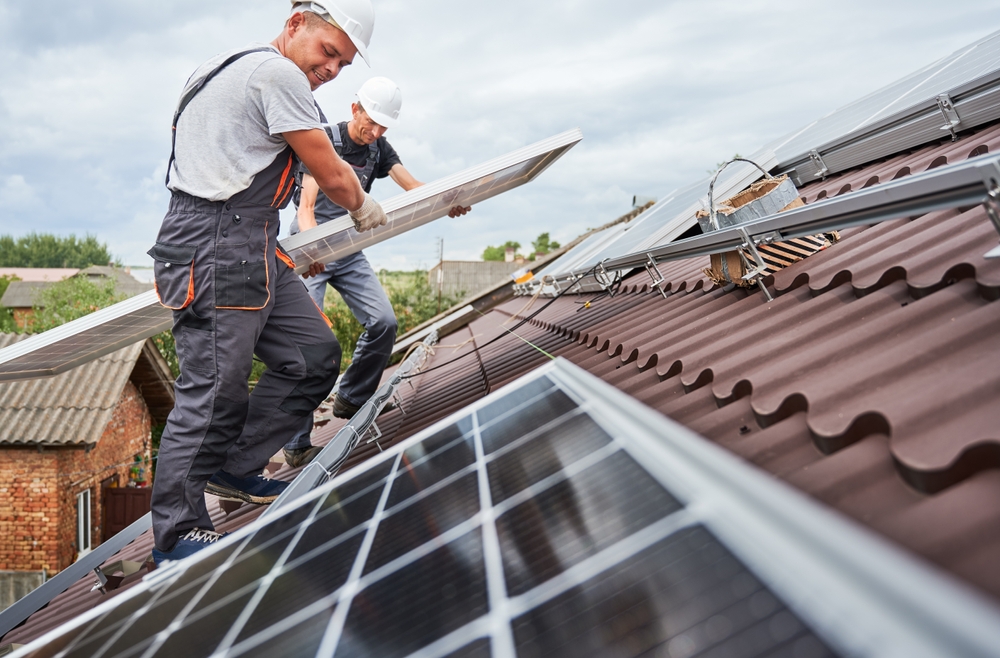
Solar panels can help generate electricity for your home and may reduce reliance on grid energy in suitable conditions. They tend to work best where the roof has the right direction, pitch, space and exposure to sunlight.
Some homeowners also consider battery storage, but the cost, payback period and practical benefit can vary. Before installing solar panels or battery storage, check whether the property is suitable, whether any permissions apply and whether the investment fits your long-term plans.
Windows, doors and glazing
Better windows and doors can help reduce draughts and heat loss, particularly where a property still has older single glazing or poorly fitted frames.
Options may include double glazing, triple glazing, replacement external doors and draught-proofing. However, windows are not always the most cost-effective first step. In some homes, insulation or heating controls may offer better value for the money spent.
If your property is listed or in a conservation area, check whether restrictions apply before making changes.
Which green home improvements can improve an EPC rating?
An EPC looks at a property’s energy performance and gives it a rating from A to G. It also includes estimated energy use, typical energy costs and suggested improvements.
The improvements that may influence an EPC rating can include:
- Insulation improvements
- Heating system upgrades
- Heating controls
- Hot water system improvements
- Low-energy lighting
- Solar panels or renewable technology
- Better glazing, where relevant
The impact will depend on the property. For example, adding loft insulation may make a bigger difference in a poorly insulated home than in one that already performs well.
If you are planning improvements partly because of your EPC rating, check the current certificate first. It can help you see what has been recommended, which changes may be worth exploring and whether a new assessment could be useful after the work is complete.
Can you get grants for green home improvements?
Some homeowners may be able to access support for green home improvements, but eligibility depends on the scheme, the property, household circumstances and current rules.
Support may depend on factors such as:
- Household income
- Benefits or vulnerability criteria
- The property’s EPC rating
- The current heating system
- The type of improvement needed
- Your location within the UK
- The installer, supplier or scheme provider
This means two homeowners can have very different outcomes, even if they are considering similar improvements.
Grant schemes can change, close or be replaced, so it is important to check the latest rules before relying on funding. Useful starting points may include official sources, your local authority, your energy supplier or a qualified installer.
Muttuo Mortgages does not arrange grant funding or install energy-efficiency measures. However, if you are thinking about funding improvements through your mortgage, we can help you review the mortgage side of the decision.
How green home improvements could affect your mortgage options
Green home improvements may connect with your mortgage in a few ways. Some lenders offer green mortgage products or incentives for homes with stronger energy-efficiency ratings. Others may allow additional borrowing for home improvements, subject to affordability, available equity and lender criteria.
However, making improvements does not automatically mean you will qualify for a better mortgage deal. Lenders will still assess your income, outgoings, credit profile, loan-to-value, property type and the purpose of any extra borrowing.
You may want to review your mortgage options if:
- You are planning a larger improvement project
- You want to borrow more against your home
- Your current mortgage deal is ending soon
- You want to check whether a green mortgage could suit your property
- You are improving before selling, renting or remortgaging
The key is to compare the full picture, not just the improvement itself. Borrowing more can increase your mortgage balance, monthly payments and total interest over time, so the cost of the work needs to fit your wider plans.
Ways to fund green home improvements
There is no single best way to fund green home improvements. The right route depends on the size of the project, your savings, your current mortgage deal and your wider financial position.
Funding route
When it may suit
What to check
Savings
Smaller upgrades or avoiding extra borrowing
Whether you still have enough emergency savings left
Grant or scheme support
Eligible energy-efficiency work
Current rules, installer requirements and availability
Further advance
Borrowing more from your current lender
Rate, fees, affordability and total cost
Remortgage
Reviewing your deal while raising funds
Early repayment charges, new rate and lender criteria
Personal loan
Smaller projects with fixed repayments
Interest rate, term and monthly affordability
If you are considering mortgage borrowing, it is worth checking the numbers before you commit to the work. A lower energy bill may help your monthly budget, but borrowing more can increase your mortgage balance, repayments and total interest over time.
The right funding route should fit both the improvement project and your long-term plans for the property.
Which improvements should you prioritise?
The most suitable green home improvements are usually the ones that deal with the property’s biggest weaknesses first.
For many homes, that means reviewing insulation, draughts and heating controls before moving on to larger upgrades. A heat pump, for example, may be less effective if the property loses heat quickly. Solar panels may be more useful where the household uses a meaningful amount of electricity during the day.
Before deciding, ask:
- What problem am I trying to solve?
- Is the property suitable for this improvement?
- Could the work improve comfort, running costs or EPC performance?
- How disruptive will the project be?
- Is the expected benefit worth the upfront cost?
- How will I fund the work?
A good improvement plan should balance energy efficiency, property suitability, cost and long-term value. The best option is not always the biggest upgrade. It is the improvement that makes sense for your home, budget and plans.
How Muttuo Mortgages can help
Green home improvements can affect more than your energy use. If you are thinking about remortgaging, borrowing more or checking whether a green mortgage could suit you, it helps to understand your options before committing to the work.
Muttuo Mortgages can help you:
✓ Check whether your current mortgage could give you room to borrow more
✓ Compare remortgage, further advance and green mortgage options

✓ Understand how lender criteria, affordability and property details may affect your plans
✓ Review options from over 100 lenders before you decide
The right route depends on your property, budget, mortgage deal and long-term plans. Muttuo can help you compare the options, so the funding route fits the work you want to do.
Could a green mortgage work for you?
Compare green mortgage options with wider mortgage deals and see what fits your property, EPC rating and borrowing plans.
Rated Excellent
by UK homeowners

Green home improvements FAQs
These FAQs answer common questions about green home improvements, including EPC ratings, grants, mortgage borrowing and which upgrades to consider first.
What are the best green home improvements?
The best green home improvements depend on your property, its condition and what you want to achieve.
For many homes, insulation is a sensible place to start because it can reduce heat loss and make heating improvements work more effectively. Heating controls, upgraded glazing, heating system changes and solar panels may also be worth considering, depending on your EPC rating, budget and how the property is used.
Can green home improvements improve my EPC rating?
Some green home improvements may improve your EPC rating, but the impact depends on the property and the work completed.
An EPC can be affected by insulation, heating, hot water, lighting, windows and renewable technology. If improving your EPC rating is a key goal, check your current certificate first and consider speaking with a qualified assessor before starting major work.
Can I get a grant for green home improvements?
You may be able to access support for some green home improvements, but eligibility depends on the scheme and your circumstances.
Some schemes focus on household income, vulnerability criteria, EPC ratings, heating systems or specific types of improvement. Rules can change, so check current guidance through official sources, your local authority, your energy supplier or an approved installer before relying on grant funding.
Can I borrow more on my mortgage for green home improvements?
You may be able to borrow more on your mortgage for green home improvements, subject to lender criteria and affordability.
Lenders will usually look at your income, outgoings, credit history, property value, existing mortgage balance and the reason for borrowing. Borrowing more can increase your monthly payments and total interest over time, so it is important to compare the full cost before deciding.
Are green mortgages only for new homes?
No, green mortgages are not always limited to new homes.
Some lenders offer green mortgage products or incentives for existing properties that meet certain energy-efficiency standards, often based on the EPC rating. Others may offer borrowing options for improvement work. Criteria vary, so it is worth checking whether your property and plans fit the lender’s rules.
Should I improve my home before remortgaging?
It depends on your property, mortgage deal, budget and reason for making the improvements.
Some improvements may make your home more energy efficient or more appealing, but they do not guarantee a higher valuation or a better mortgage rate. If your mortgage deal is ending soon, it may be worth reviewing your options before starting work, especially if you may need to borrow more.